
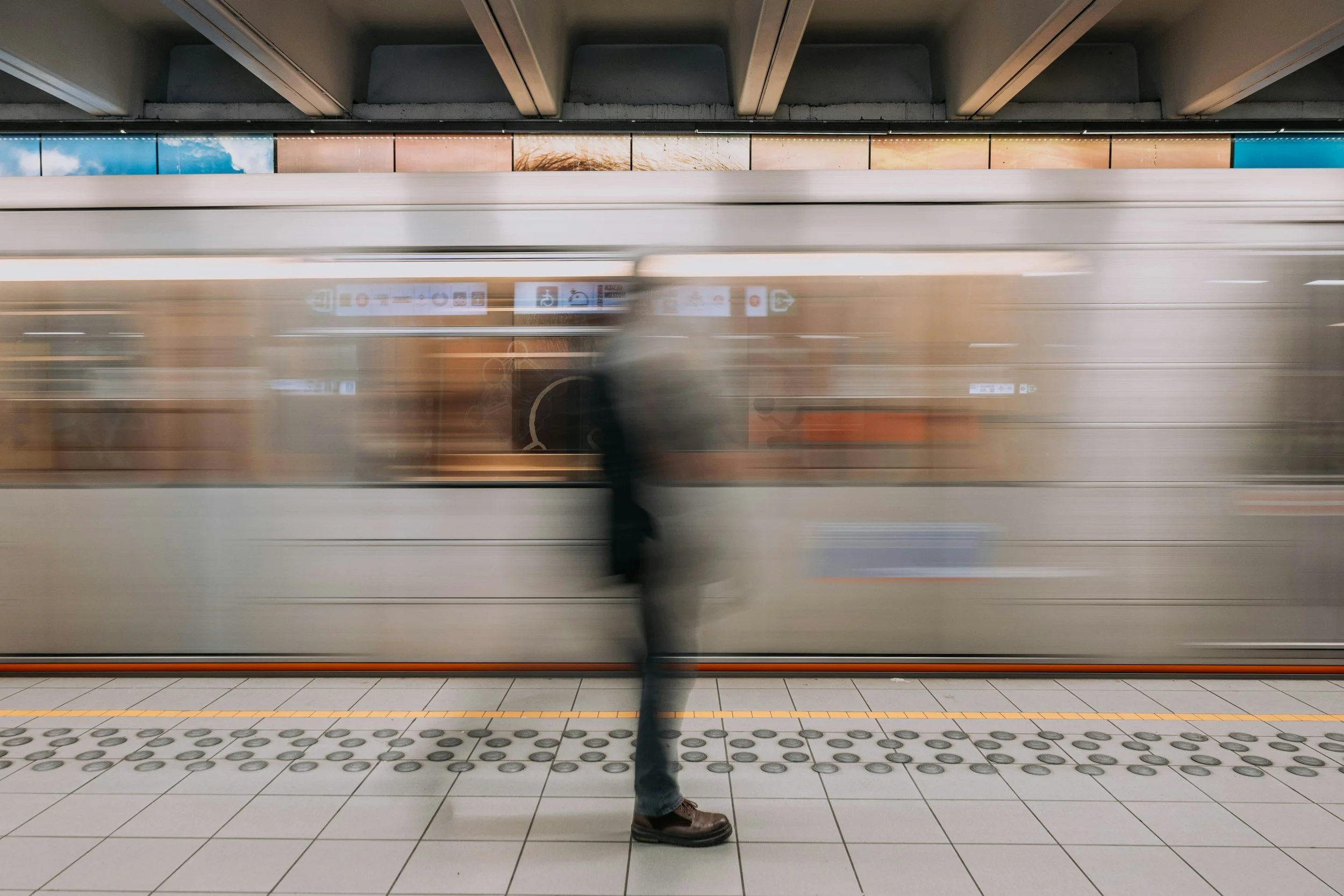
It didn’t happen one time. It happened over and over again.
Complex trauma isn't one bad thing that happened. It's what happens when safety was never reliably there — when the people who were supposed to protect you were also the source of the danger. That kind of trauma doesn't live in a single memory. It lives in how you move through the world every day.
This might be you if:
You function well on the outside, but something feels chronically unsettled underneath
You struggle to know what you actually want, need, or feel
Relationships feel like a minefield — too close feels dangerous, too far feels like abandonment
You're hard on yourself in ways that don't match anything you'd say to someone else
You've done "regular" talk therapy before and it helped some, but something deeper never moved
You try really hard to practice self-care and incorporating coping skills into your life, but they don’t stick
What we actually do
CPTSD responds differently than single-incident trauma, and it needs to be treated differently. We begin by building safety and nervous system stability first, using somatic and mindfulness-based tools so your body has some capacity to tolerate the work before we do it.
From there, EMDR and Somatic EMDR can be introduced which allows you to process the things that drive your reactions today — not by talking about them endlessly, but by helping your brain actually finish processing where it got stuck. Trauma-informed therapy is paced to what your system can handle, and never something done *to* you without your permission or say in how the process goes.
What changes
The chronic unsettled feeling starts to lift. You develop an internal sense of who you are, separate from what you learned to become to survive. The hypervigilance that's been running in the background — often for decades — finally gets to experience calmer and more emotionally regulated moments.
Getting started
Individual sessions, in-person in San Antonio or virtual anywhere in Texas.